Landscaping Design Installation Shakopee: From Concept to Curb Appeal
A landscaping project in Shakopee MN rarely starts with a blank yard. It starts with something already there: an old bed line that’s creeping into the lawn, a downspout that dumps onto bare soil, a tree that’s fine for now but feels “too close” every time wind picks up, or a walkway that looks straight but somehow always ends up muddy. The goal of landscaping design installation Shakopee is to take that existing reality and make it intentional, season-friendly, and easy to maintain once the install is done.
When the plan is right, you can stand at the curb and see the whole property make sense. When the plan is wrong, you end up doing patchwork: replacing plants every other year, re-edging after it shifts, or widening beds because roots and mowing keep colliding. The difference is usually not creativity alone. It’s process, site understanding, and details that are easy to overlook until you’ve dug in the ground.
Below is how we move from concept to curb appeal, with examples drawn from real conditions people see around Shakopee, including what drives material choices, plant spacing decisions, and maintenance planning. If you’re considering a landscaping service in Shakopee MN, this is the kind of thinking you want behind the scenes.
The part most people underestimate: site conditions
In Minnesota, your landscaping doesn’t just have to look good. It has to survive freeze-thaw cycles, wet spells, dry wind, and the way snowmelt changes the water flow across your yard. The same design can succeed in one neighborhood and struggle in another simply because the slope and soil texture are different.
Even early in the conversation, I look for clues. Is the ground staying wet near the foundation after rain, or does it dry quickly? Are you seeing moss or persistent algae along hardscapes? Do you get spring puddling in one specific corner that later “dries out” but never fully resolves?
Those answers matter because they decide three things:
First, they influence where you can place plants that want consistent moisture versus those that prefer sharp drainage. Second, they affect grading and bed shaping, which is what keeps water from wandering. Third, they determine how you design the border lines, including landscape edging Shakopee MN homeowners often want, even if they aren’t sure how the edging will hold up over time.
One homeowner I worked with wanted a neat, continuous bed edge all the way around a front lawn feature. The yard looked fairly flat, but the water told a different story. After a couple of storms, runoff carved a shallow channel right where the “perfect straight line” edge would have been installed. We adjusted the plan, worked with a subtle grade change, and selected edging that could handle minor movement without opening gaps. The design still looks clean from the street, but the beds now act like they belong to the site instead of fighting it.
Designing for how you actually live
A landscape that’s only built for the photos won’t last. The most durable designs are built for daily movement, seasonal use, and how people navigate the property.
Think about the real routines:
- Where do you enter from the driveway most often?
- Which windows do you watch from inside?
- What do you want to hide, and what do you want to highlight?
- Do you use the patio or deck in shoulder seasons, or only when temperatures cooperate?
- Where do you park, load groceries, haul bins, or carry equipment?
In Shakopee neighborhoods, I also consider how people mow and trim, because lawn care Shakopee isn’t just about the “look,” it’s about friction. If plants are placed too close to the mowing path, beds get invaded by grass clippings and the edge line gets shredded or flattened. That might not be visible on install day, but it becomes visible fast.
You can design around maintenance in subtle ways. For example, a little wider bed depth at the front approach can save hours later because you’re not constantly trimming back overgrowth. Better placement of shrubs also means less frequent thinning and fewer “rescue sessions” after winter damage. If you already use a lawn mowing service Shakopee option or plan to, it’s smart to design with that workflow in mind.
From concept to plan: the site visit checklist
A good install begins long before materials arrive. We treat the initial walkthrough like a small project in itself, because the “right” design depends on small facts on the ground.
Here’s the kind of site review that prevents surprises during landscaping design installation Shakopee:
- How water moves after rain, especially near foundations, downspouts, and low spots
- Soil condition and drainage, including compaction and how quickly it absorbs water
- Sun and shade patterns through the day, not just a quick glance
- Existing trees, overhead constraints, and the growth reality over the next 5 to 10 years
- Safety and access needs, like utility clearances and paths for seasonal cleanup
Notice what’s not on that list. We don’t start with “favorite plants.” We start with the site, then the plants follow. That’s how you avoid the common situation where a design looks amazing in spring and then struggles by year two.
Lawn edge design: the clean line that does the hard work
One of the quickest ways a property can look “finished” is the edge line. Done well, edging makes mowing easier, protects beds from grass encroachment, and gives your design structure when plants are dormant. Done poorly, edging buckles, separates, or becomes a maintenance magnet.
Landscape edging Shakopee MN homeowners usually want is often chosen for one of three reasons: appearance, weed control, and mowing convenience. All three are legitimate. The trick is matching the edging type to the soil, slope, and freeze-thaw movement.
In Minnesota winters, soil heaves and shifts. If edging is installed without thinking about how it anchors in the ground, it will look great for a season or two and then start loosening. The fix is not always “better edging.” Sometimes it’s also better bed shaping and a more stable base preparation.
A practical example: if you want an edging line around a sloped bed, you can’t pretend the slope is just a visual detail. Water and soil movement concentrate at certain angles. That’s where gaps appear first. When we build the bed profile to reduce the stress points, the edge holds its line longer even if the material is the same.
Planting strategy: structure first, color second
People often ask for “flowers that pop” and a palette that looks good all summer. I like that goal. It’s also where many designs go sideways, because a planting schedule driven only by bloom timing can lead to overcrowding or a layout that gets messy as plants mature.
A stronger approach is to design in layers.
Structure gives the yard a foundation. That can mean evergreen shrubs, ornamental grasses with winter presence, or properly spaced deciduous shrubs that keep their form. Color then becomes a seasonal bonus: spring interest, summer bloom, and fall texture. Even winter needs attention in Minnesota, because a landscape that relies entirely on summer foliage usually looks flat during the cold months.
When you choose plants, spacing is not a formality. It’s the difference between a design that looks intentional in year three and a design that turns into tangled growth in year two. I’ve seen beds that were installed “tight” to get instant fullness. They look lush the first summer. Then the center gets shaded, plants weaken, and homeowners feel forced to yank and replant. If you’re investing in landscaping service in Shakopee MN, you want the plan to grow into itself, not collapse into maintenance.
Hardscapes and drainage: curb appeal that behaves
Hardscapes are the backbone of “clean lines,” and they matter for more than beauty. In Minnesota, the ground moves. Water seeks the easiest route. If hardscape edges and drainage are designed without coordination, you get settling, pooling, or frost-related cracking.
Even small elements like stepping stones, entry pads, or a short retaining wall section can change water behavior. Retaining walls and raised beds often solve more than one problem at once: they create a defined planting zone, improve usability, and help control soil movement. That’s why many homeowners who start with “I want it to look nicer” end up also needing better grading around the house.
If your yard includes a slope toward the foundation, this is especially important. A design that doesn’t address drainage can lead to ongoing wet areas that never quite recover. Plants struggle, soil compacts, and edging lines lose their crispness.
If you’re considering tree service in Shakopee, this also connects directly to hardscape planning. Tree roots can influence underground utilities and hardscape stability. And trees can shape shade patterns that determine which plants thrive under their canopy.
Working around trees and living infrastructure
Tree work and landscaping decisions overlap more than people realize. Sometimes it’s as simple as sunlight. Other times it’s a root or canopy clearance issue that affects where you can plant, how you place beds, or what you can build near trunks and branches.
When tree service in Shakopee is part of the plan, timing matters. If a tree is removed, the landscape area changes instantly: soil exposure increases, wind impact goes up, and water patterns can shift. If pruning is the choice, you’re still changing light and potentially reducing stress on certain understory areas.
One frequent scenario involves a homeowner with a large canopy. They want to add a flower bed under the trees. In theory, it’s a great idea. In practice, the root zone can be dry and competitive. If you install plants without understanding that competition, they will struggle. In some cases, we adjust the bed strategy by using deeper planting pits, selecting more shade-tolerant and drought-tolerant species, and keeping mulch layers consistent to protect soil moisture.
That’s also where professional judgment shows. You can “make it work” with certain plant selections, but you can’t always overcome the physics of a mature tree root zone without adjusting expectations, soil conditions, or bed depth.
Materials: what I recommend and why
The best material choice depends on maintenance expectations, climate performance, and the style you want to support. In Shakopee, the yard is going to go through freeze-thaw, snow load, and spring runoff. So even the most beautiful border can fail if it’s not compatible with soil movement.
Here are a few material directions we commonly consider for edging and bed structure, chosen for both appearance and real performance:
- steel edging for a crisp line and effective separation when properly anchored
- concrete pavers or stepping stones when you need stable, predictable hardscape geometry
- natural stone for a textured look, especially on curves where a rigid line might feel too formal
- retaining materials that reduce soil sloughing on slopes, supporting both plants and mowing access
I’m not listing these as a “best one fits all” answer, because they don’t. For example, steel edging can look fantastic, but it still needs correct base prep and consistent anchoring. Natural stone can be gorgeous on curves, but if the underlying base is too soft or graded incorrectly, it will shift.
Maintenance planning, not maintenance promises
A landscaping design isn’t finished when the crew packs up. It’s finished when you know how the property will be maintained and what the costs will look like over time.
Homeowners sometimes want low maintenance but also want intense structure. Those goals aren’t always incompatible, but they require trade-offs. If you want fewer weeds and less mowing intrusion, beds need depth, clean edging, and mulch management. If you want low irrigation needs, plant choices must match the sunlight and the drainage reality.
This is also where lawn care Shakopee habits come into play. If mowing is frequent, the edge line needs to be designed to handle equipment contact. If your lawn mowing service Shakopee provider uses larger equipment, you need enough clearance and a layout that doesn’t force constant trimming. If trimming and edging are already part of the routine, we can design tighter bed lines. If they are not, we widen certain areas and reduce the “edge exposure” that tends to lead to grass encroachment.
There’s a practical mindset I keep coming back to: if a design demands a perfect homeowner schedule to look good, it’s not a real low-maintenance design. It’s a design that shifts the work onto you.
Timing in Minnesota: plant life and winter reality
Plant selection and installation timing affects how well landscaping holds up. In Minnesota, there’s a real difference between plants that get established before hot or wet stress periods, versus plants that go in without enough time to root.
Even within the growing season, you want to plan around soil temperature and moisture. Install timing can be influenced by weather patterns, but the principle is consistent: give plants a chance to establish roots before the next major stress window.
Winter also influences how your beds look. Mulch depth, plant placement, and protective strategies determine whether plants bounce back or show damage early. A design that looks great in fall but collapses in spring often missed that step.
This is one reason why “design only” is rarely enough. Landscaping design installation Shakopee should include the installation choices that support long-term survival, not just short-term aesthetics.
A quick look at common problem areas
Even well-designed properties can develop issues if the original layout didn’t account for predictable challenges. Here are a few patterns I see often.
First is the “grass collar” around bed edges. That’s when grass creeps into mulch areas and makes the bed look messy, even if plants are healthy. Often, the fix involves refining the edging line, increasing mulch consistency, and improving bed depth where the mower inevitably overlaps.
Second is the “plant death zone,” usually near downspouts, along foundation lines, or in compacted transitions between soil types. Plants struggle there because conditions are extreme, not because the species was inherently wrong. Sometimes the solution is relocation. Sometimes it’s adding soil amendments and correcting grading.
Third is the “winter wobble” where edging or smaller borders shift after a freeze-thaw sequence. That’s usually an anchoring and base preparation issue, not a cosmetic one.
These are all solvable, but the key is catching them during design, not after you’ve already invested and grown attached to a layout.
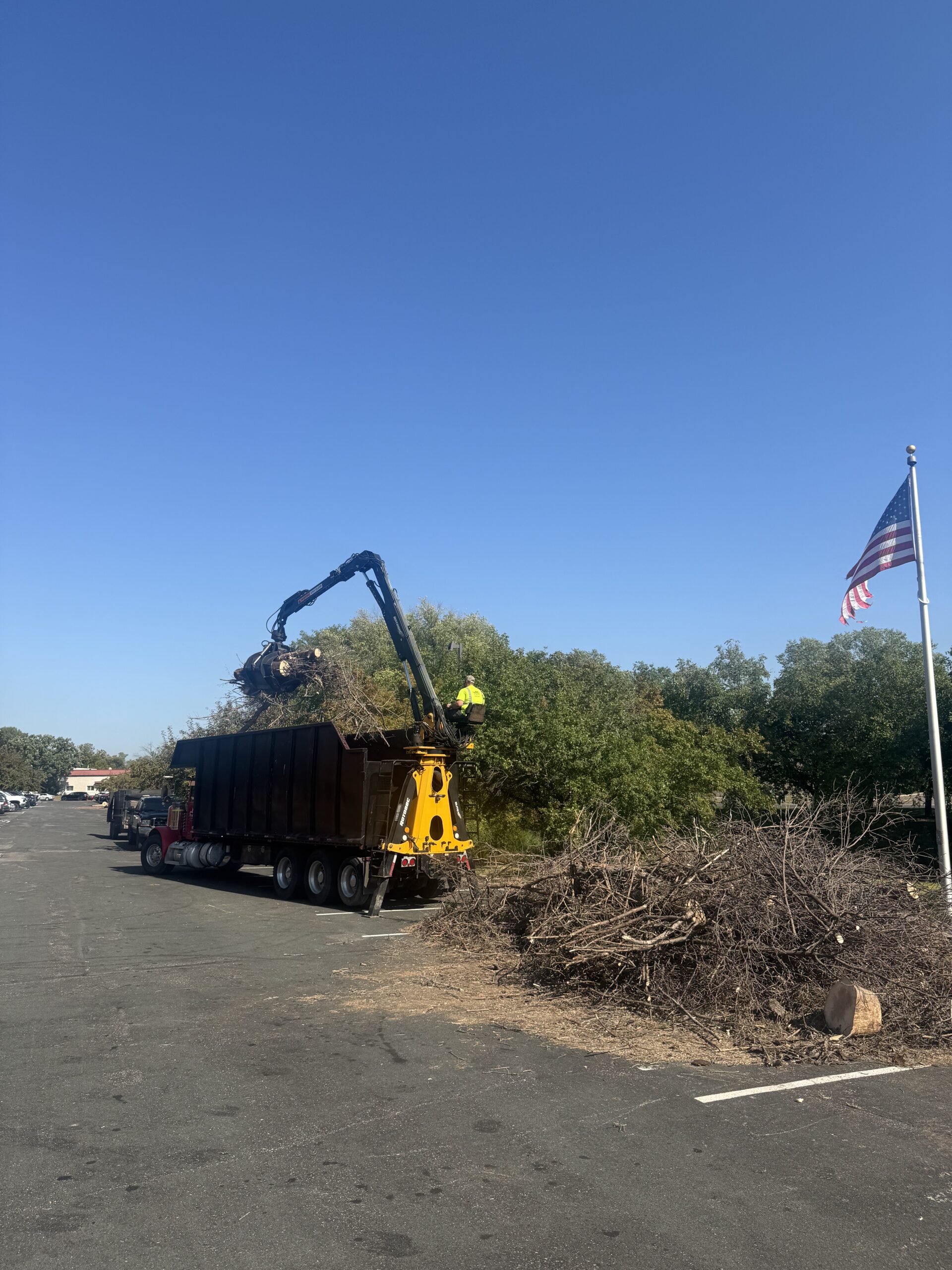
Tree service connections that protect your investment
Landscaping and tree work are connected in ways that show up later. A healthy canopy supports a yard, but a poorly planned tree situation can undermine your landscaping investment.
If a tree is overgrown, blocking too much light, it can limit what grows under it. That can lead to bare areas that attract weeds. If a tree has dead limbs, it can create ongoing cleanup challenges. If roots are interfering with hardscapes or edging lines, the landscaping you just installed can shift or crack.
That’s why it’s smart to evaluate the tree component early. If tree service in Shakopee is needed, coordinating that work with the landscaping plan can reduce rework. It also prevents the “we’ll fix it later” trap, because later often turns into additional cost and rushed replanting.
The final walkthrough: what good looks like after installation
When the project is complete, the yard should look balanced from multiple angles. You should be able to walk the path from driveway to entry and feel a natural flow. Beds should have clean lines, and the mulch should look intentional, not just spread.
Curb appeal is about more than color. It’s about proportion. The plants should sit at heights that work with sightlines from the street and with how you see the yard from windows. Hardscape edges should connect cleanly to beds and lawn without gaps that will widen over time.
A quality crew will also leave you with clarity. You should know what was planted jcjpropertymaintenance.com Landscaping service in Shakopee MN where, how it will mature, and what the first season maintenance priorities are. If the plan is truly designed for your Shakopee environment, the next steps should feel straightforward rather than like a guessing game.
Choosing a landscaping partner in Shakopee MN
If you’re comparing options, focus on how the proposal is built and what it accounts for. A polished brochure is nice, but the real value shows up in the details: how they talk about drainage, how they measure sun exposure, whether they discuss plant spacing, and whether they consider mowing patterns.
I also look for whether they connect design to maintenance. A company that does landscaping design installation Shakopee should be able to explain how the edges will hold up, what plants will do over time, and how the yard will be maintained to keep the look consistent.
If they also offer lawn care Shakopee or lawn mowing service Shakopee style support, that’s often a benefit because they understand equipment patterns and how the yard needs to be managed after the landscaping phase. And if tree service in Shakopee is part of the ecosystem, you want that coordination too, not separate decisions that accidentally undermine each other.
Turning the yard into something you can count on
Landscaping is one of the few home improvements where “good” can look amazing and “excellent” can look effortless. The difference comes from getting the site right and then building the design around how the landscape will function through seasons, storms, and routine use.
When the edging line is stable, when drainage directs water where it should go, when plants are placed with mature size and real sunlight in mind, and when tree decisions are coordinated, the yard becomes more than decoration. It becomes part of the property’s everyday rhythm.
If you’re planning a landscaping service in Shakopee MN, take the time to ask the questions that reveal how they think. Look for that grounded approach, where concept and installation are treated as one continuous project. That’s how you get curb appeal that lasts, not curb appeal that fades after the first winter.
JCJ Landscaping and Snow Removal
7 West Travelers Trail, Unit 391, Burnsville, MN(55337)
(952) 649-6655
[email protected]
Website: https://jcjpropertymaintenance.com